The Impact of Environmental Factors on Cancer Diagnosis

Cancer remains one of the leading causes of death worldwide, with millions of new cases diagnosed each year. While genetics and lifestyle choices are well-known contributors, the environment where people live and work also plays a crucial role in cancer development and diagnosis. Understanding how environmental factors influence cancer can help improve early detection, prevention strategies, and patient outcomes.
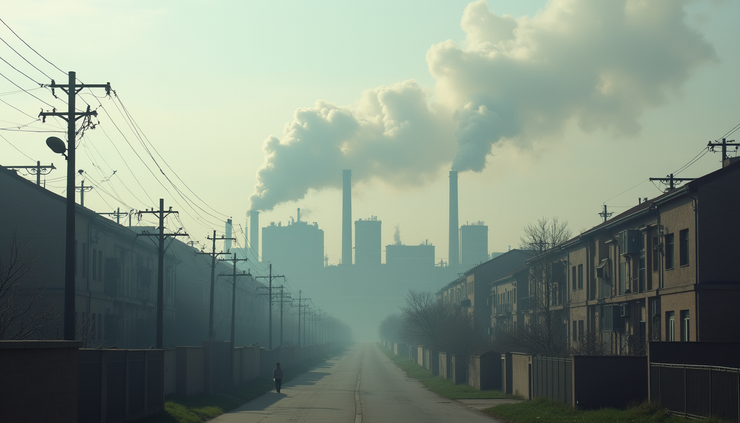
How Environment Influences Cancer Risk
Environmental factors include physical, chemical, and biological agents present in air, water, soil, and food. These agents can cause mutations or changes in cells that lead to cancer. Some of the most significant environmental contributors are:
Air pollution: Exposure to pollutants like particulate matter, nitrogen dioxide, and benzene increases the risk of lung cancer and other respiratory cancers.
Water contamination: Chemicals such as arsenic and industrial waste in drinking water have been linked to bladder, skin, and lung cancers.
Radiation: Ultraviolet (UV) radiation from the sun causes skin cancer, while exposure to radon gas in homes is a known risk factor for lung cancer.
Occupational hazards: Workers exposed to asbestos, benzene, or certain pesticides face higher cancer risks.
Lifestyle-related environment: Urban areas with limited green spaces and high pollution levels can indirectly affect cancer risk by influencing lifestyle choices such as physical activity and diet.
These factors do not act alone but often combine with genetic predispositions and behaviors like smoking or diet to influence cancer development.
Environmental Factors Affecting Cancer Diagnosis
The environment also impacts how and when cancer is diagnosed. Several aspects come into play:
Access to Healthcare and Screening
People living in polluted or industrial areas often belong to lower socioeconomic groups with reduced access to healthcare services. This can delay cancer screening and diagnosis, leading to detection at more advanced stages. For example, residents near heavy traffic or factories may have higher lung cancer rates but fewer opportunities for early screening.
Awareness and Education
Environmental conditions can shape community awareness about cancer risks and symptoms. Areas with poor environmental quality may also lack educational resources, limiting knowledge about early warning signs and the importance of regular check-ups.
Diagnostic Challenges
Certain environmental exposures can cause symptoms that mimic other diseases, complicating diagnosis. For instance, chronic exposure to air pollution can cause respiratory symptoms similar to lung cancer, potentially delaying accurate diagnosis.
Occupational Exposure in Asbestos Workers:
Asbestos exposure for instance causes mesothelioma, a rare but aggressive cancer. Workers in shipyards, construction, and manufacturing often face delayed diagnosis because symptoms appear decades after exposure. This delay reduces treatment options and survival rates.
Strategies to Improve Cancer Diagnosis Considering Environment
To address environmental influences on cancer diagnosis, several approaches can be effective:
Targeted screening programs: Focus on high-risk populations based on environmental exposure history.
Community education: Raise awareness about environmental risks and early cancer symptoms.
Improved healthcare access: Provide affordable and convenient screening services in polluted or underserved areas.
Environmental regulations: Reduce exposure by enforcing pollution controls and workplace safety standards.
Research and surveillance: Monitor cancer patterns related to environmental changes to adapt healthcare responses.
Practical Tips for all of us
Try to avoid exposure to known carcinogens like tobacco smoke and industrial chemicals.
Use protective measures against UV radiation, such as sunscreen and clothing.
Drink safe, filtered water if local sources are contaminated.
Participate in recommended cancer screening programs, especially if living in high-risk areas.
Stay informed about environmental health issues in your community.


Comments